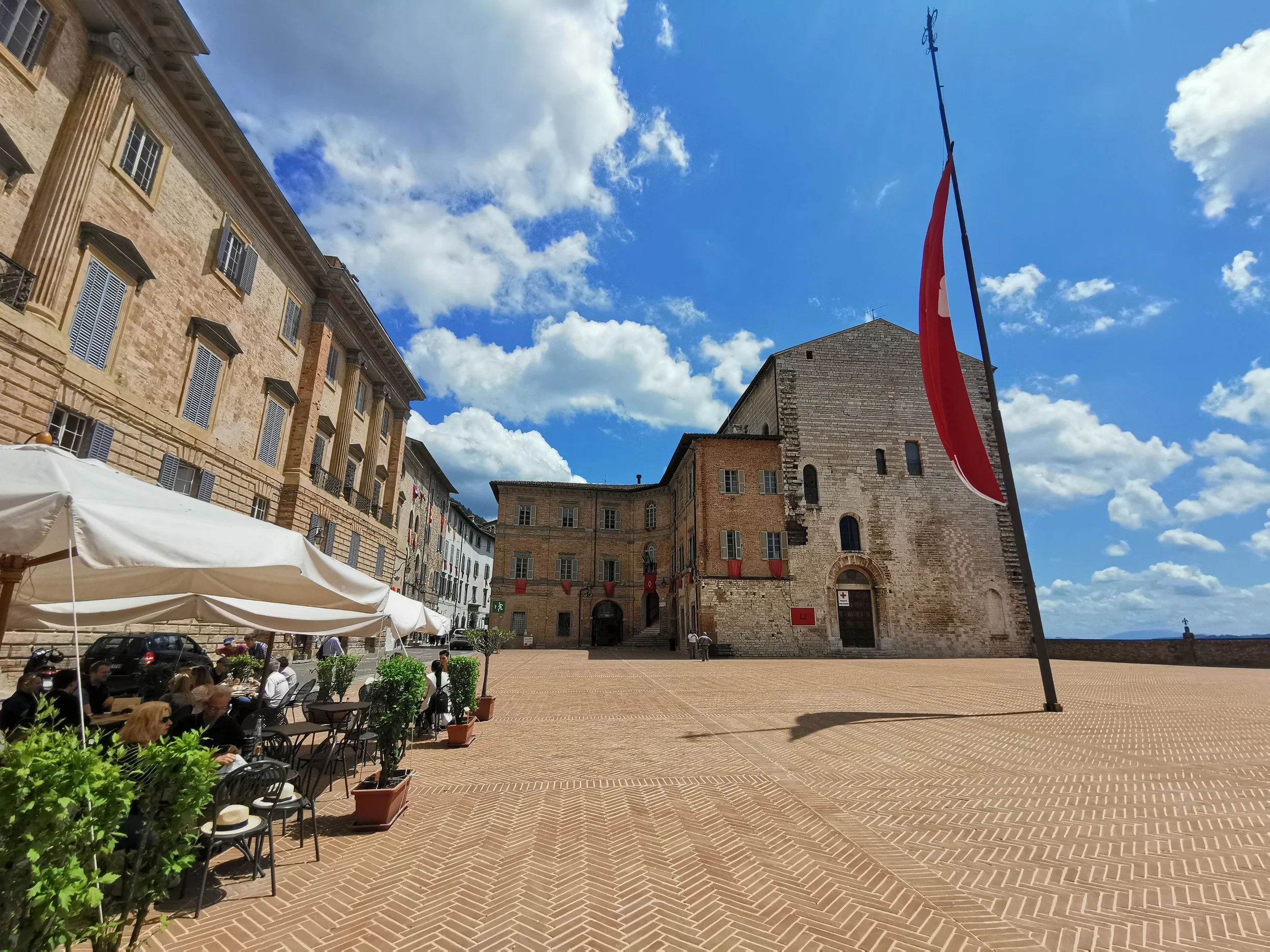
What Overtourism Looks Like in Italy
Taormina
On a trip a few years ago to Sicily, despite some reservations, we decided to go to Taormina, a place many of our clients wish to visit. The weather was overcast, it was off-season, and we had checked to make sure there were no cruise ships in port that day.
The tourist crush begins well before you have even set foot in the town. To get to Taormina, you wind up a steep, narrow road. The views alone seem to make it worthwhile, and then the huge tour buses and giant parking structures appear. Not one, but several behemoths, scarring the hillside. This is the town’s solution to the huge volume of people descending upon their beautiful hilltop retreat. You park, and then you wait for a bus to take you the rest of the way in. Like Disneyland.
The main street resembles the Duty Free shop in the Rome airport. The artisan shops and small producers that once defined Sicilian town centers have been replaced by luxury retailers selling goods that weren't made in Italy and could be ordered online from anywhere in the world.
At one point, our son, who loves volcanoes, observed looking at the crowds, "It's like a pyroclastic flow of people."
In restaurants, the house wine has disappeared, replaced by bottles priced for people who don't know what things should cost. A pizza that should be €8 costs €18. The menus have drifted far from Sicily. Carbonara, a Roman dish that has no business being served here, appears on menus, ordered by tourists who want something familiar and served by restaurants who have learned to give them what they want.
This didn't happen by accident. When the second season of The White Lotus filmed in Taormina, bookings increased 500% compared to previous years. The town was never built for that volume, and its economy shifted accordingly. Today, a modest apartment on Corso Umberto — the very street lined with those luxury shops — lists for €670,000. The average annual salary in Sicily is around €27,000. Taormina has effectively been priced out of reach of the people who live there.
This is what overtourism does. It doesn't just make for a bad afternoon, it hollows out a place. The food gets worse. The prices go up. The things that made it worth visiting in the first place gradually disappear. And the people who call it home get pushed to the margins.
What Overtourism Does Not Look Like in Italy
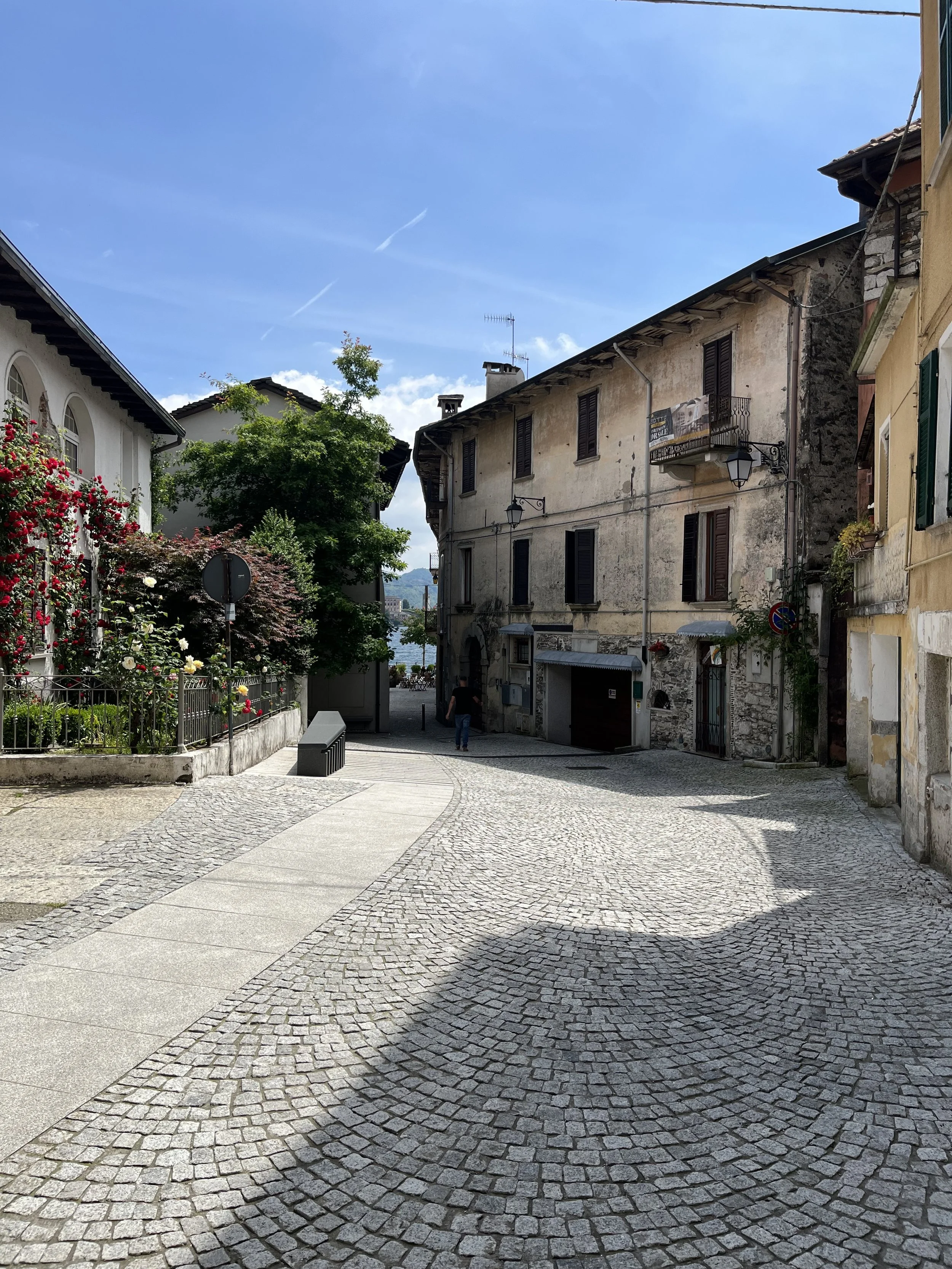
Pella, Italy, along the shores of Lake Orta
The Blunt Advice We Give Our Clients
The overtourism problem comes up regularly in our discussions with clients. Here is a glimpse of our take on things.
-
No, you should not, unless you want to self-combust in a burning hot piazza with thousands for an audience. There are much more pleasant times of the year to go to Rome and much more pleasant places to go in Italy in August.
-
Do you remember the Saturday Night Live episode “Bad Idea Jeans”? There are great neighborhoods to stay throughout the city, but that is not one of them.
-
Not anymore. There are many other beautiful coastal areas in Italy.
-
How do you feel about falling off a cliffside while navigating foot traffic? We have lots of recommendations for wonderful hiking in Italy, and that is not one of them.
-
That is its own special form of hell.
-
First, are you wealthy? Second, do you want to get hit in the face with a selfie stick?
-
Get ready to become a human sardine.
-
Book yourself a therapy appointment for after you get home.
-
Now we know one place you definitely will not be going.
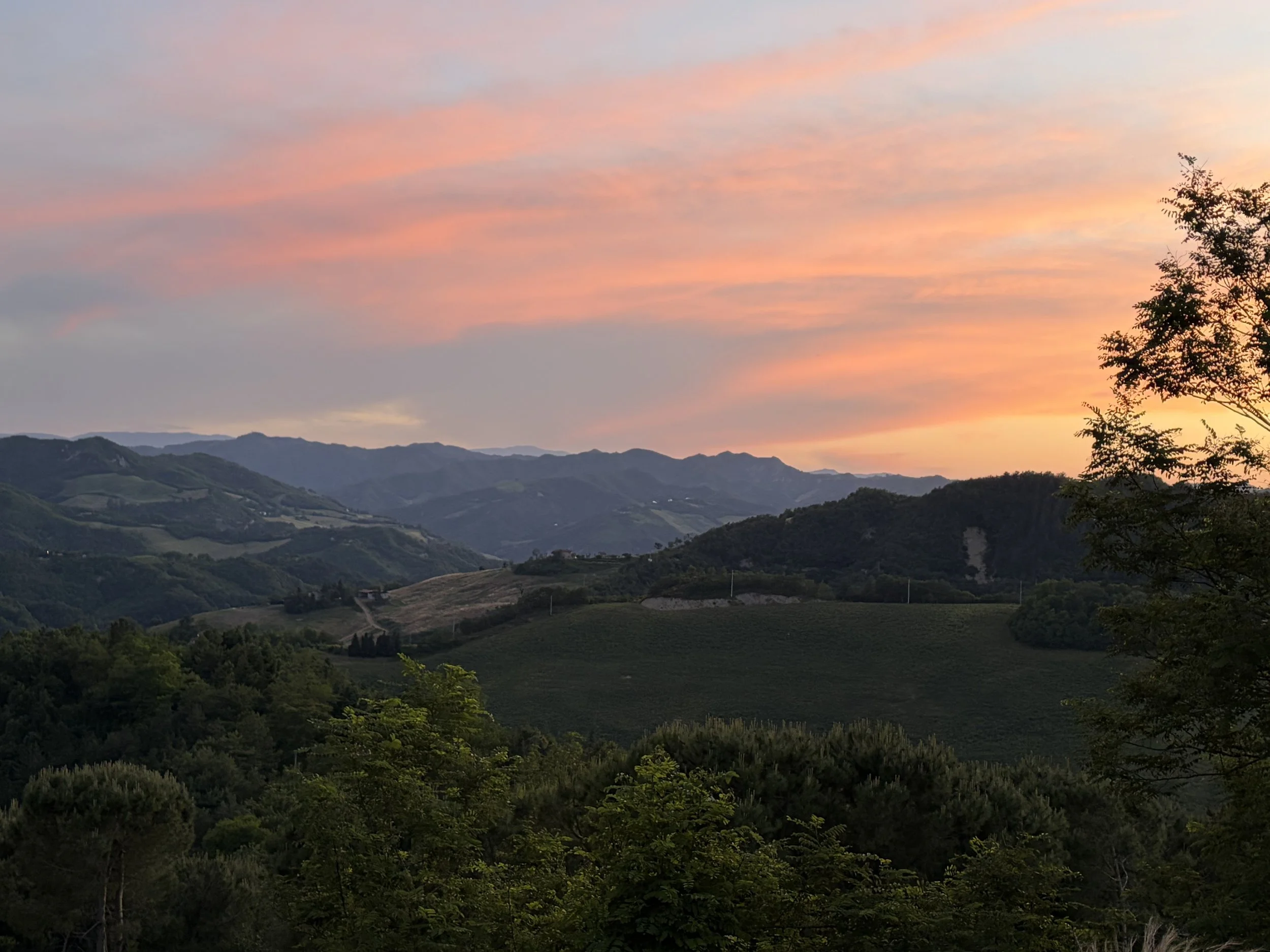
How We Help You Get Beyond the Crowds
“If I shouldn't go to Rome in August and the Amalfi Coast in September and the Cinque Terre in April, should I never see those places? Where should I go?”
The answer is, "It depends." Rome, our favorite Italian city, is wonderful at other times of year. Amalfi and Cinque Terre are another question.
Rome
Large cities absorb crowds better than small towns — Rome's center extends far beyond the landmarks everyone photographs. We steer clients toward less-touristed neighborhoods like Monteverde-Gianicolense, and time major sites for quieter hours (the Colosseum at 10am is miserable; at 6pm, it's transformed). Some crowds, like the Vatican's, can't be avoided — only managed, by not stacking dense sites back to back.
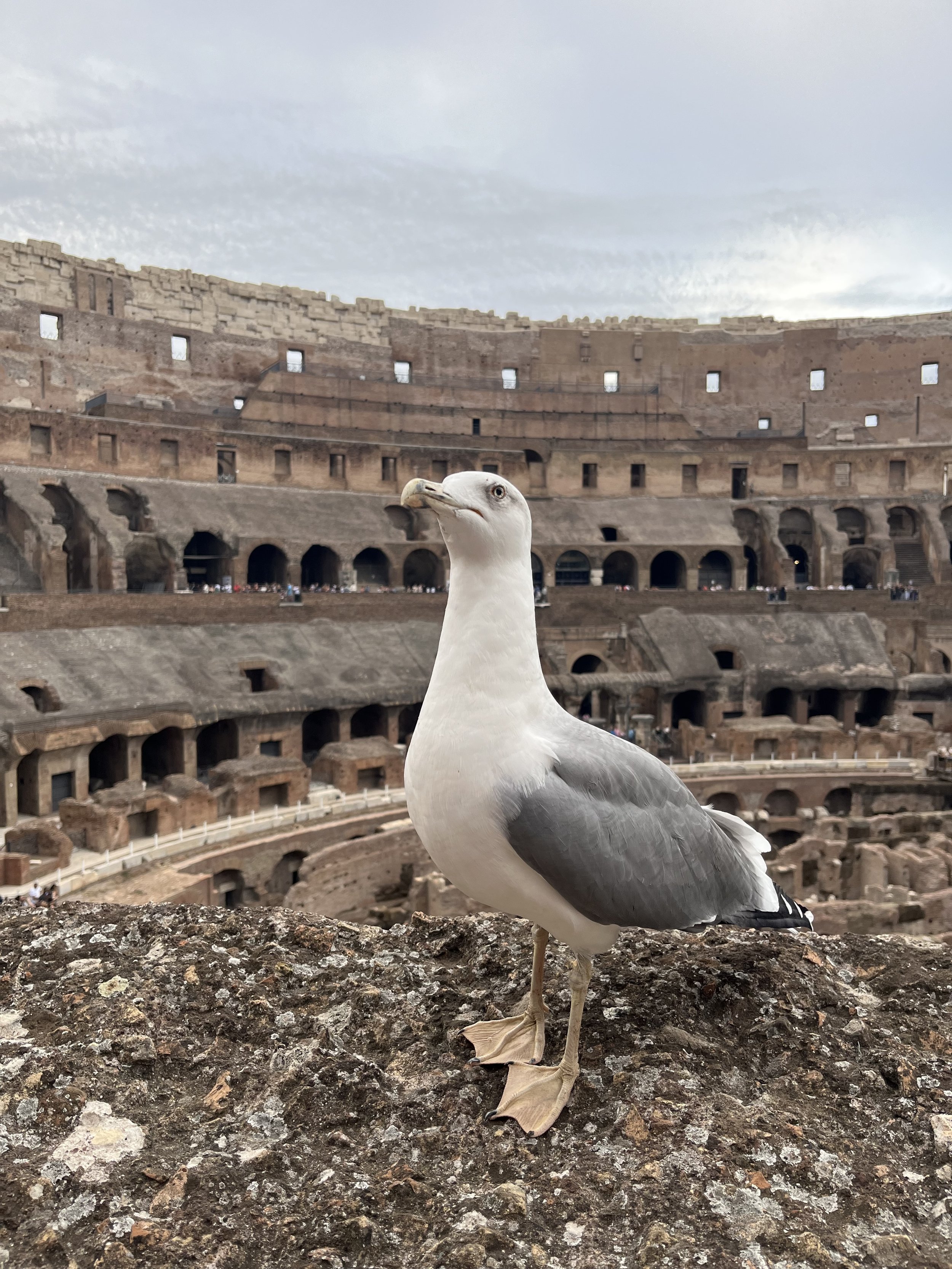
A seagull enjoys a quiet moment at the Colosseum
Venice and Florence
While the historical centers of Venice and Florence are much more geographically limited, other cities nearby — Treviso, near Venice, or Pistoia near Florence, for instance — make it possible to visit these places without constantly being in a densely packed environment in which everyday life has become very distant from Italian culture. Treviso is beautiful in its own right, with lovely canals and a historic center. Pistoia, about a 30-minute train ride from Florence, retains the character of a Tuscan city where Italians actually live.
Amalfi and the Cinque Terre
Smaller towns and confined coastlines don't absorb crowds the way cities do — they're packed in high season, and in the off-season, the towns themselves shut down along with the tourists. Whether that quieter, sleepier version appeals to you or not is worth talking through before you book
The Adriatic Coast and Sicily
Even in peak season, you don't have to accept mass-tourism seaside. For June on the coast, we often point clients to smaller Adriatic towns. For summer in Sicily, some of the most beautiful spots we know are inland villages with sweeping views and easy access to quieter beaches.
The Italian Countryside
Basing yourself at an agriturismo or a rental near a small town gets you a fully Italian summer without the crowds — Le Marche is especially good for this. You can't Google your way to the right one, though; that's where local knowledge does the real work.
What We Do
Italy Within Reach provides the support and local knowledge that you need to not just get beyond the crowd, but do it comfortably and without the stress that comes with worrying that you’ve “wandered off the reservation.”
View our services to learn more about how we build itineraries that take you beyond the crowds.
Contact us to learn more.