Where to Stay in Italy Without Overspending
Why Lodging in Italy is Different
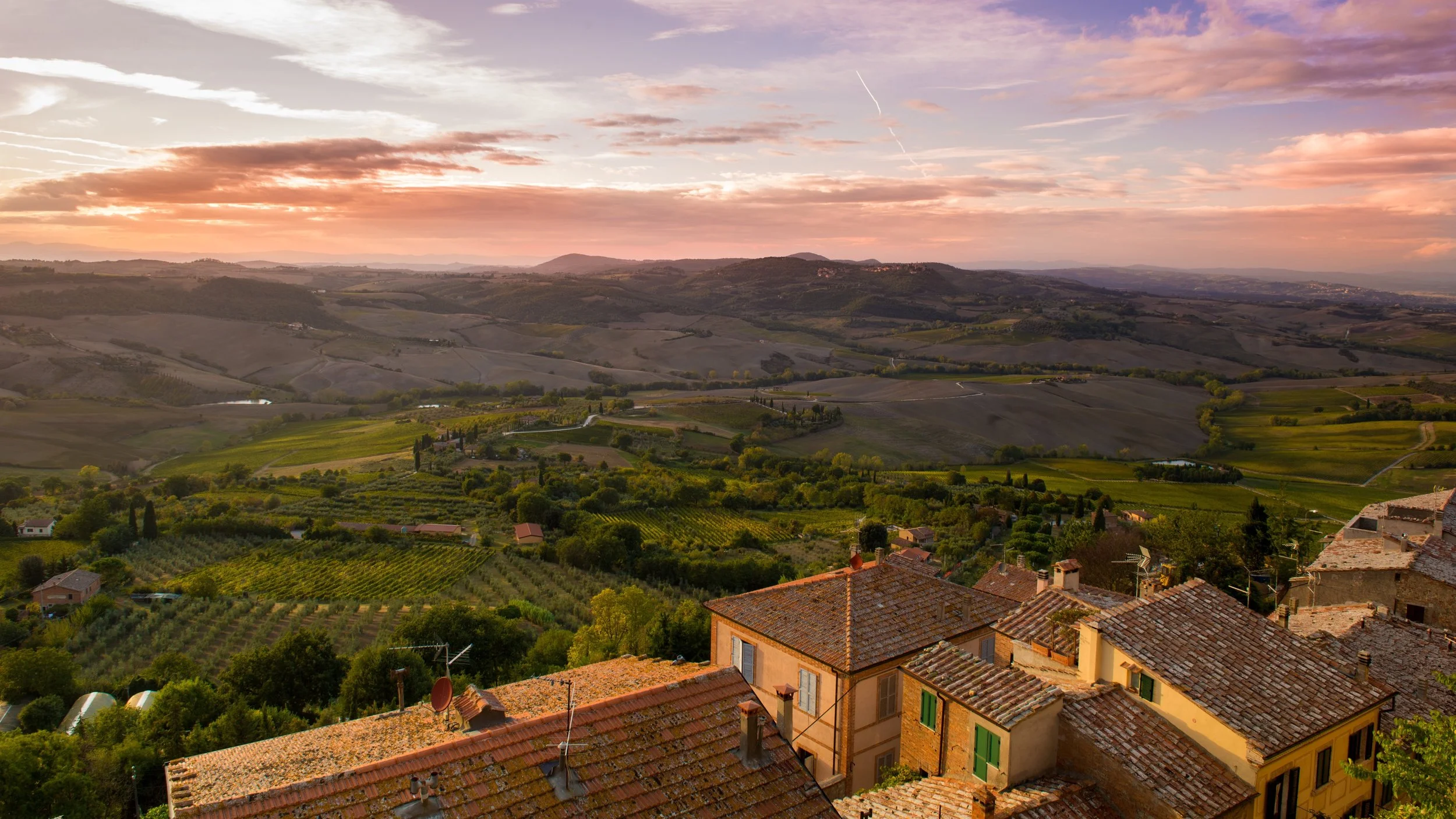
Italy has many family-run establishments and privately hosted homes that are well located, charming, exceptionally clean, and carefully tended. They can be found in every region of the country—in the countryside in Umbria, Tuscany, Le Marche, Abruzzo, Puglia, and Sicily—and in both small and large cities like Rome, Milan, and Naples.
In the US, by contrast, we generally encounter big chain hotels with carpets and bedspreads that are maybe cleaned once a year, Airbnbs that are increasingly overpriced and impersonal, and traditional bed and breakfasts that can be very nice, but are quite expensive, such that a “romantic weekend” can set you back $600 in accommodations alone.
Among the most rewarding experiences a traveler to Italy can have is a stay at an agriturismo, which translates directly as “agricultural tourism” and more simply as a farm stay.
These are located in the countryside—sometimes just outside a city or town and sometimes in a remote setting. Many are working farms with animals, which can be great fun for children. Others may focus on seasonal harvests. In either case, you will find excellent homegrown and homemade products—olive oil, jams, cheeses, fruits, and vegetables.
During the warmer months, it is easy to find an agriturismo with a pool. Many have beautiful views, and it is often possible to rent an apartment with a kitchen, so that you can blend a hosted experience with a self-catered one. Some agriturismi also have restaurants, where you can return at the end of the day for a four-course meal in the range of $30 to $50 per person. For those who enjoy wine in the evening, this also has the practical advantage of not needing to drive after dinner.
Agriturismi are not expensive, and there are many wonderful options in the range of $80 to $150 a night.
Italy Within Reach specializes in affordable agriturismo travel planning, based on what affordable means to you and your budget. We can help you incorporate agriturismi into a broader itinerary or design an entire countryside experience around them.
Italian Farm Stays: The Agriturismo Experience
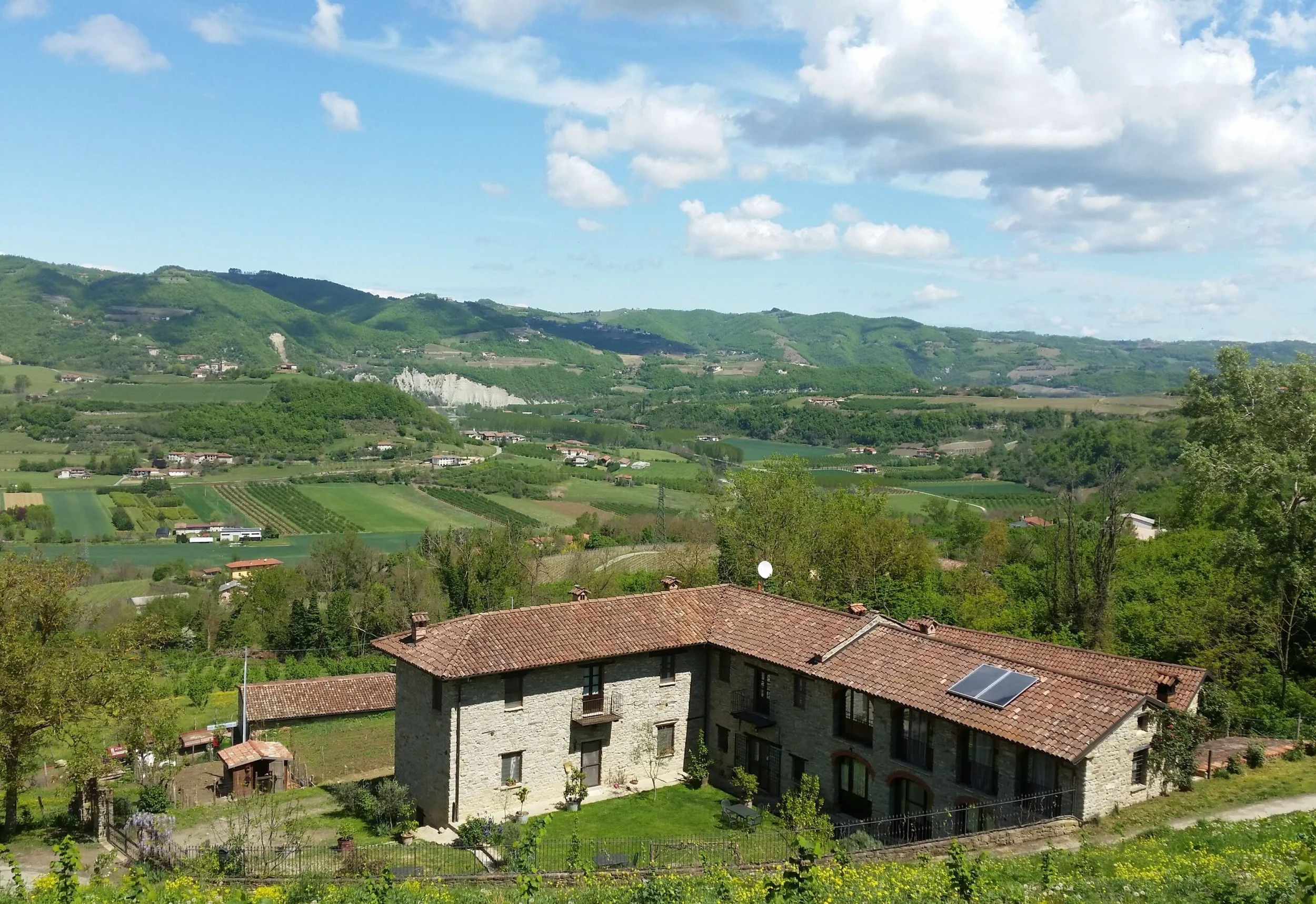
Agriturismo La Luna Buona in Piedmont, Italy
How to Choose an Agriturismo in Italy
Choosing the right agriturismo takes real knowledge and many factors impact a stay.
Location is the first question. How far are you from the nearest town? A remote property is wonderful if your goal is to relax and enjoy Italy’s country. It is a challenge, however, if you need a pharmacy, a grocery store, a café in the morning, or a restaurant at night. Some agriturismi are a short drive from a city or town with everything you need, while others are farther afield and require advance planning. Location also determines how easily you can reach cities and sites. Many travelers want both. How easy and how much time that takes depends entirely on where the property sits. An agriturismo that looks central on a map can still mean an hour of winding roads in each direction.
The road in is its own consideration. Some properties are reached by winding, unpaved rural roads. This might be an adventure for you or a source of stress. It's important to know in advance.
Food and meals are a central part of the experience. Does the property have a restaurant, will it be open during your stay, how good is it and how expensive? Is breakfast included or an additional cost, and if so, what does that actually mean? At a good agriturismo, breakfast is a genuine spread of homemade products—olive oil, jams, cheeses, fresh eggs—and one of the highlights of the stay. At others it's a roll and a packet of jam. If there's no restaurant and no kitchen, you need a plan for dinner.
Kitchen access is closely related. Many agriturismi offer apartments or cottages with full kitchens alongside rooms in the main house. For longer stays or families, this changes the experience because you can shop at local markets and cook your own meals.
Space and sleeping arrangements need to be thought through carefully. How many people are traveling, and what does everyone actually need? Two couples may want separate sleeping spaces but shared common areas. Can children share a room, a bed? The differences in cost may be substantial or smaller than you would expect. Balancing affordability against what is optimal and what is acceptable requires an understanding of both your needs and what the property offers.
The pool matters if you're traveling in warm weather, especially with children. It appears prominently in many listings, but pools vary enormously in size, quality, and season.
Children have other needs. A working farm with animals and open space is a wonderful environment for kids. A playground, when one exists, is worth knowing about, but so is its quality. The age of your children and the range between them is also a factor—what works for a six-year-old is not necessarily what works for a teenager.
Noise is easy to overlook. Farm animals are charming, but can be loud at 5:00 a.m. And noise doesn't always come from the property itself. We once stayed at a beautiful agriturismo where dogs at a neighboring farm barked through the night. We had to keep doors and windows shut and lost the night air entirely.
The host is perhaps the most important factor and the hardest to evaluate from a listing. A warm, engaged host makes a stay. Read reviews carefully for mentions of the host specifically, and pay attention to how quickly and thoroughly a property responds to inquiries.
Language is a practical consideration for travelers. Some hosts speak English well, others very little. For many this is part of the experience, but some travelers might find it stressful, particularly if something goes wrong.
Laundry becomes important on longer stays. An agriturismo, or specific accommodations within it, may or may not have these facilities for guests. Rural properties can be far from a laundromat. The availability of a washer can be crucial, depending on how many days you are into your travel and how soon you will be departing Italy.
Seasonality affects everything. A property that's lush and fully operational in June may feel sparse in late November. Pools close, gardens go dormant, and some areas shutter for the season. We once arrived at an agriturismo near the beach in Sicily to find that everything around it—restaurants, shops, cafés—had just closed for the end of the summer. The property itself was lovely, but the experience was significantly changed. Traveling in the shoulder season has real advantages, but it's worth knowing exactly what will and won't be available before you arrive.
Minimum stays are standard at many agriturismi, often two or three nights, sometimes more in high season. This affects how you build an itinerary and how much flexibility you have.
Finally, many agriturismi sell what they produce—olive oil, wine, honey, jams, cheese, cured meats. Leaving with a bottle of oil pressed on the property where you stayed is one of the small pleasures of this kind of travel. If you're planning to bring things home, keep in mind that liquids can't go in carry-on luggage, and a bottle of wine in a suitcase needs proper protection.
Choosing well means understanding your own needs clearly and knowing the properties in detail. We handle both. Contact us to learn more about how we help and get details about our services.
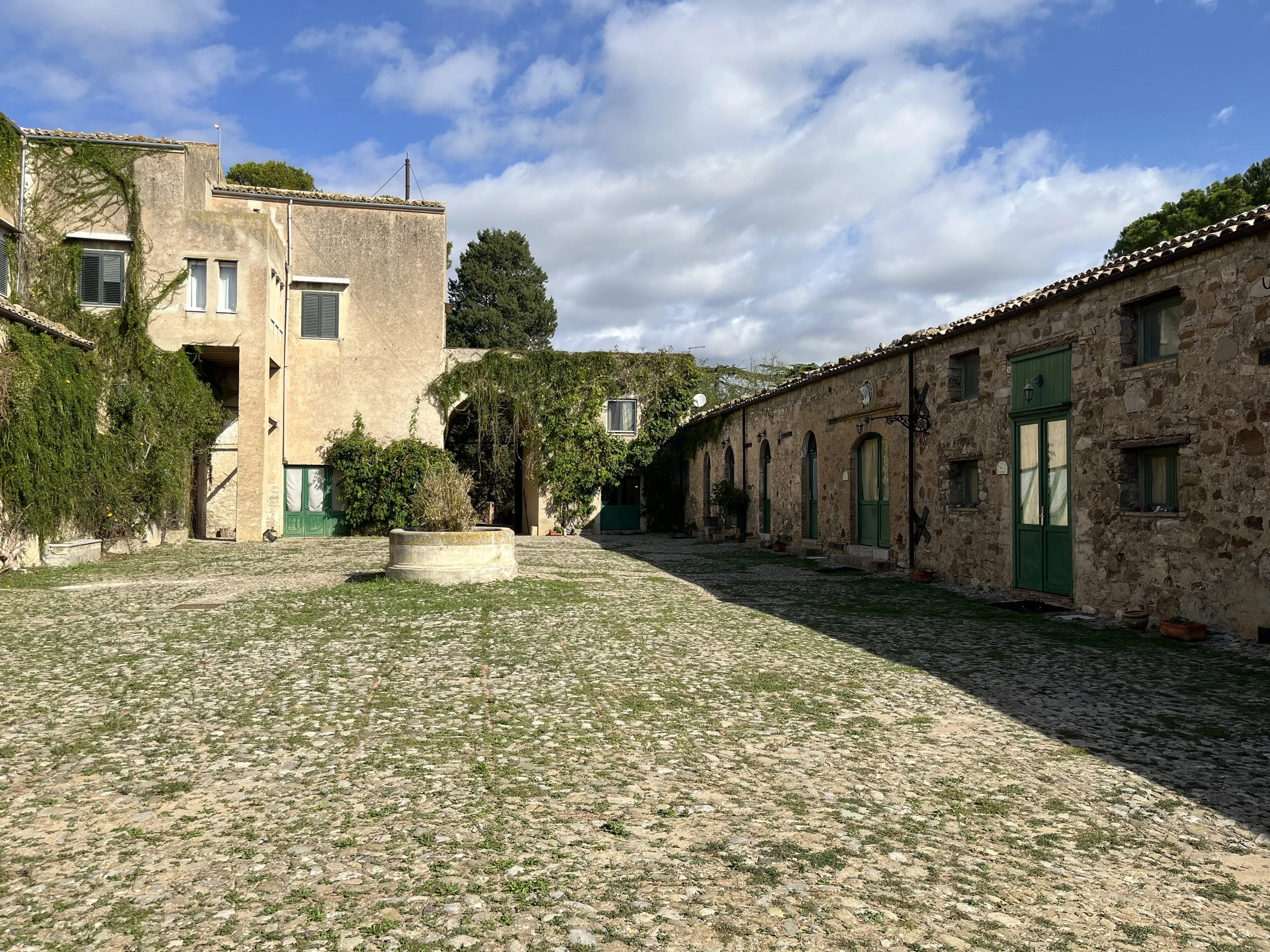
Agriturismo Feudo San Giorgio Polizzi Generosa, Sicily
Affordable Lodging in Italy’s Cities
When booking their stay in an Italian city, many travelers reach for a large hotel chain, an Italian-run hotel that caters to volume tourism, or an Airbnb near major sites or the central train station. If they want something a little different, they might pick an apartment based on what a search produces for “off-the-beaten path” and the city in which they’re interested.
Not knowing much about the place they’re visiting or the lodging options in Italy, these are, understandably, their default choices. But it is also easy to choose poorly for the same reasons.
Sometimes travelers are overpaying. Other times they are getting something inexpensive but not especially pleasant. And in many cases, they are placing themselves so far from everyday Italian that they are experiencing an Instagram photo, not the real Italy.
Airbnbs present their own particular challenges. What appears to be a local apartment is often now part of a high-turnover, property-manager-run operation, located in the most heavily trafficked parts of a city. The distinction between a thoughtfully hosted apartment and a standardized short-term rental is not always obvious from listings alone.
In cities like Rome, many benefit from getting just outside the most heavily touristed areas. You do not need to stay an hour from the center, but you will often find a more affordable, interesting, and genuinely Italian experience at a guesthouse or apartment a 15 to 20-minute metro or tram ride away. Not only are accommodations less expensive, but so are the restaurants, shops, and services you will actually use.
This can be especially important for families traveling with children, who can easily become overwhelmed by the density of crowds in the most touristed areas.
There are times when staying in the historic center is the right choice. After a long international flight, being within walking distance of major sites can make the first days far easier. Above all, historic city centers are famous because they are beautiful, and even with crowds, stepping out your door onto a Roman piazza can be extraordinary.
Even where there are many good options, it is easy to make a wrong choice in terms of what you need and hope for. Italy Within Reach’s services solves this for you. Contact us to start planning your travel.
A Sample of Our Work: Affordability, Comfort, and Travel Logistics
One couple we worked with, both in their 70s, contacted us after booking flights through a major tour company and selecting a hotel in Milan. When we reviewed their choice, we found that check-in was not available until 4:00 p.m., even though they were arriving at 9:00 a.m. Luggage storage had poor reviews and required a 15-minute walk from the hotel. While the hotel was well situated, there were consistent complaints about cleanliness.
They had not considered the check-in timing or the luggage storage issue, but once pointed out, it became clear that this was a problem. They did not want to haul their suitcases all over the place and begin touring the city immediately after a long flight. They needed to rest.
We found them a nearby bed and breakfast on a quieter street at a lower price point with a 12:00 p.m. check-in. They saved about $50 a night for the room and another $40 a day by not reserving the overpriced breakfast. We suggested better options nearby for a quarter of the cost. We helped them choose the room most suited for their needs and determine the best way to get from the airport to Milan’s city center, given their activity level, amount of luggage, and transatlantic travel time.
The lodging change and our transportation advice transformed their arrival day from a minor ordeal to something manageable. And the cost of our services was offset by what they saved both financially and in terms of their well-being.